Konsultan Business Law
- CompanyRegistration
- Investment
- Tax
- LaborLaw
- Licensing
- IntellectProperty
- Merger
- Env
- CorporateGov
- Bankrupt
- Privacy
- Contract
- Dispute
- Corruption
- ImportExport
- Property
- Employ
- Health
- Consumer
- Trade
- E-commerce
- Franchising
- Diligence
- Securities
- Startup
- CrossBorder
- Shipping
- Telecom
**Navigating Business Regulations in Indonesia: A Travel Industry Perspective**
Category : | Sub Category : Posted on 2024-10-05 22:25:23
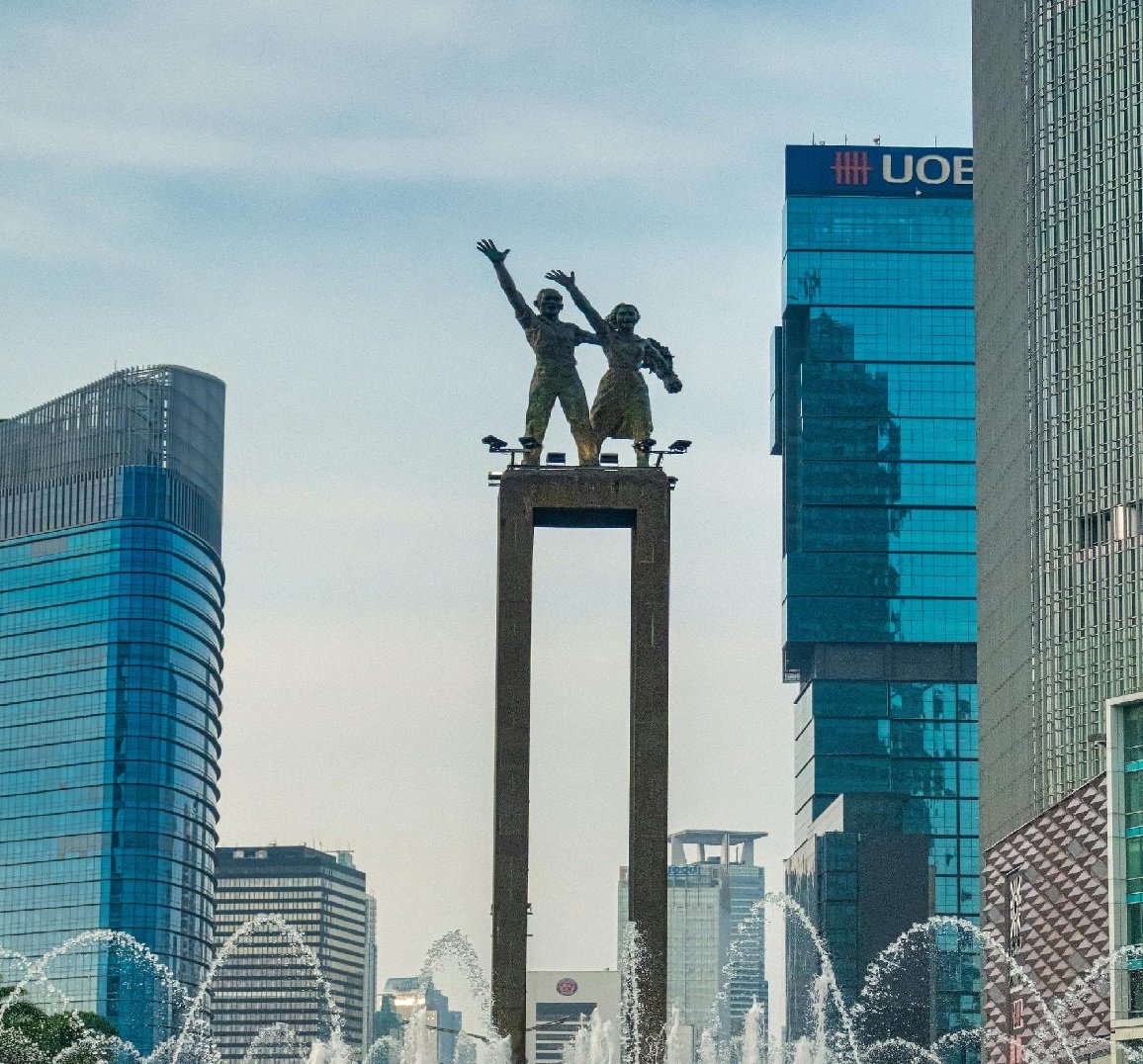
Indonesia, with its vibrant culture, stunning landscapes, and warm hospitality, is a popular destination for travelers from around the world. For businesses in the travel industry looking to operate in this dynamic market, understanding and navigating the country's business regulations is essential. In Indonesia, business regulations are put in place to ensure fair competition, protect consumers, and promote economic growth. As a responsible business owner in the travel industry, it is crucial to adhere to these regulations to avoid legal issues and maintain a positive reputation in the market. One key aspect of business regulation in Indonesia is licensing and permits. Depending on the nature of your travel business, you may be required to obtain specific licenses from the relevant government authorities. For example, tour operators may need a tourism business license, while accommodation providers may need a hotel license. Ensuring that you have the necessary permits in place will help you operate legally in Indonesia. Another important consideration for travel businesses in Indonesia is tax compliance. Understanding the country's tax laws and fulfilling your tax obligations is crucial for avoiding penalties and maintaining good standing with the authorities. This includes registering for tax identification numbers, filing tax returns on time, and keeping accurate financial records. In addition to licensing and tax compliance, businesses in the travel industry in Indonesia must also adhere to labor regulations. This includes ensuring fair labor practices, providing employees with proper contracts, and complying with minimum wage laws. By treating your employees fairly and ethically, you can build a strong team that will contribute to the success of your business. Beyond regulatory compliance, responsible business practices in the travel industry in Indonesia also include environmental and social responsibilities. As a business operating in a country with rich biodiversity and cultural heritage, it is important to minimize your impact on the environment and support local communities. This can include implementing sustainable practices, supporting local initiatives, and respecting local customs and traditions. In conclusion, navigating business regulations in Indonesia as a travel industry professional requires a commitment to responsibility and compliance. By understanding and adhering to the country's regulations, you can build a successful and sustainable business that contributes positively to the local economy and community. Remember, being a responsible business owner is not only a legal requirement but also a moral obligation that can lead to long-term success in Indonesia's vibrant travel industry. Discover new insights by reading https://www.travellersdb.com visit: https://www.mimidate.com Get more at https://www.cotidiano.org Want to gain insights? Start with https://www.topico.net
https://continuar.org
Leave a Comment:
SEARCH
Recent News
- Zurich, Switzerland, and Vancouver, Canada, are two bustling cities known for their thriving startup scenes. In this blog post, we will take a closer look at some of the top startups making waves in each city.
- Zurich, Switzerland and Vancouver, Canada are two vibrant cities with distinct characteristics that make them stand out in their respective regions. While Zurich is known for its financial prowess and high quality of life, Vancouver is a bustling hub of business and innovation on the west coast of Canada. Let's take a closer look at how these two cities compare in terms of their business environments.
- Zurich, Switzerland and Vancouver, Canada are both vibrant cities known for their strong economies and diverse job markets. In this article, we explore some of the best companies to work for in these two cities, highlighting their unique offerings and what makes them stand out in their respective industries.
- Located in the heart of Switzerland, Zurich is known for its stunning natural beauty, bustling city life, and thriving business environment. The city attracts businesses from all over the world, thanks to its robust infrastructure, highly skilled workforce, and favorable economic policies. For UK businesses looking to expand or set up operations in Zurich, there are a number of government business support programs available to help navigate the process.
- Zurich, Switzerland is a bustling business hub that attracts companies from all over the world, including top Irish companies. The city's strategic location, strong economy, and high standard of living make it an appealing destination for Irish businesses looking to expand their global reach.
- Zurich, Switzerland and Tokyo, Japan are both global hubs for business and innovation, home to some of the top companies in the world. Let's take a closer look at the top companies based in these two cities.
- Zurich, Switzerland and Tokyo, Japan are two prominent cities known for their innovation and vibrant startup scenes. While they are located thousands of miles apart, both cities have managed to establish themselves as hubs for entrepreneurs and tech enthusiasts looking to bring their ideas to life. In this blog post, we will explore the startup ecosystems of Zurich and Tokyo, comparing and contrasting their unique features and what makes them attractive destinations for aspiring entrepreneurs.
- Zurich, Switzerland and Tokyo, Japan are two dynamic cities with thriving business scenes. Both cities are prominent global financial centers and are known for their innovation, economic stability, and high quality of life. In this blog post, we will explore the unique business environments in Zurich and Tokyo and compare the two cities in terms of business opportunities, infrastructure, and work culture.
READ MORE
9 months ago Category :

Zurich, Switzerland, and Vancouver, Canada, are two bustling cities known for their thriving startup scenes. In this blog post, we will take a closer look at some of the top startups making waves in each city.
Read More →9 months ago Category :

Zurich, Switzerland and Vancouver, Canada are two vibrant cities with distinct characteristics that make them stand out in their respective regions. While Zurich is known for its financial prowess and high quality of life, Vancouver is a bustling hub of business and innovation on the west coast of Canada. Let's take a closer look at how these two cities compare in terms of their business environments.
Read More →9 months ago Category :

Zurich, Switzerland and Vancouver, Canada are both vibrant cities known for their strong economies and diverse job markets. In this article, we explore some of the best companies to work for in these two cities, highlighting their unique offerings and what makes them stand out in their respective industries.
Read More →9 months ago Category :
