Konsultan Business Law
- CompanyRegistration
- Investment
- Tax
- LaborLaw
- Licensing
- IntellectProperty
- Merger
- Env
- CorporateGov
- Bankrupt
- Privacy
- Contract
- Dispute
- Corruption
- ImportExport
- Property
- Employ
- Health
- Consumer
- Trade
- E-commerce
- Franchising
- Diligence
- Securities
- Startup
- CrossBorder
- Shipping
- Telecom
A Comparative Analysis of Business Regulation Responsibly in Indonesia and Japan
Category : | Sub Category : Posted on 2024-10-05 22:25:23
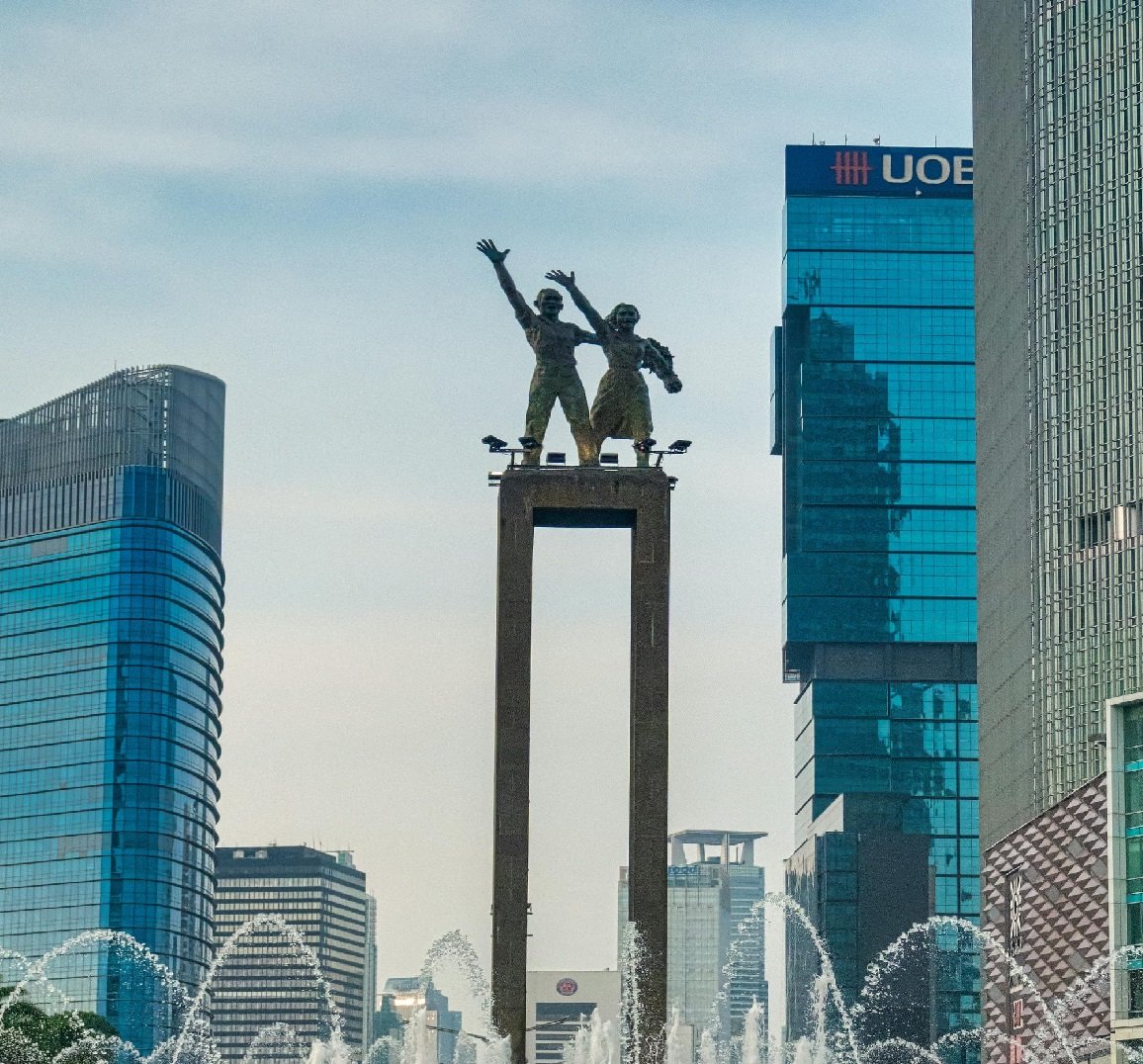
In the dynamic world of business and commerce, regulations play a crucial role in ensuring ethical practices, protecting consumers, and promoting fair competition. In this blog post, we will explore and compare the approach to business regulation responsibility in two diverse countries: Indonesia and Japan. Indonesia, as a rapidly developing economy in Southeast Asia, has been taking steps to enhance its business regulatory framework in recent years. The country has established various laws and regulations aimed at promoting transparency, accountability, and sustainable business practices. For instance, the Indonesian government has implemented the Anti-Corruption Law and the Business Competition Supervisory Commission (KPPU) to combat corruption and promote fair competition in the market. Despite these efforts, Indonesia still faces challenges in enforcing and monitoring business regulations effectively. The country struggles with a high level of corruption, bureaucratic red tape, and inconsistent enforcement of laws, which can hinder the successful implementation of responsible business practices. On the other hand, Japan has a well-established and stringent regulatory environment that prioritizes corporate responsibility and compliance. Japanese businesses are known for their strong commitment to ethical conduct, corporate governance, and social responsibility. The country's regulatory bodies, such as the Financial Services Agency (FSA) and the Fair Trade Commission (FTC), play a vital role in ensuring that businesses adhere to strict standards of transparency and accountability. Japanese companies are also required to follow the Corporate Governance Code, which outlines principles for effective corporate governance, shareholder rights, and stakeholder engagement. This emphasis on corporate governance and responsibility has contributed to Japan's reputation as a global leader in business ethics and integrity. In conclusion, while both Indonesia and Japan are working towards enhancing business regulation responsibility, they exhibit distinct approaches and challenges in their regulatory frameworks. Indonesia is making strides to improve transparency and accountability, but faces obstacles in enforcement and compliance. Japan, on the other hand, has a well-established regulatory environment that prioritizes corporate responsibility and ethical conduct. By analyzing and understanding the differences and similarities in how Indonesia and Japan approach business regulation responsibility, stakeholders can gain valuable insights into best practices and strategies for promoting responsible and sustainable business practices in a global context. It is crucial for businesses to prioritize compliance, transparency, and ethical conduct to build trust with stakeholders and contribute to long-term success in the ever-evolving business landscape.
https://continuar.org
Leave a Comment:
SEARCH
Recent News
- Zurich, Switzerland, and Vancouver, Canada, are two bustling cities known for their thriving startup scenes. In this blog post, we will take a closer look at some of the top startups making waves in each city.
- Zurich, Switzerland and Vancouver, Canada are two vibrant cities with distinct characteristics that make them stand out in their respective regions. While Zurich is known for its financial prowess and high quality of life, Vancouver is a bustling hub of business and innovation on the west coast of Canada. Let's take a closer look at how these two cities compare in terms of their business environments.
- Zurich, Switzerland and Vancouver, Canada are both vibrant cities known for their strong economies and diverse job markets. In this article, we explore some of the best companies to work for in these two cities, highlighting their unique offerings and what makes them stand out in their respective industries.
- Located in the heart of Switzerland, Zurich is known for its stunning natural beauty, bustling city life, and thriving business environment. The city attracts businesses from all over the world, thanks to its robust infrastructure, highly skilled workforce, and favorable economic policies. For UK businesses looking to expand or set up operations in Zurich, there are a number of government business support programs available to help navigate the process.
- Zurich, Switzerland is a bustling business hub that attracts companies from all over the world, including top Irish companies. The city's strategic location, strong economy, and high standard of living make it an appealing destination for Irish businesses looking to expand their global reach.
- Zurich, Switzerland and Tokyo, Japan are both global hubs for business and innovation, home to some of the top companies in the world. Let's take a closer look at the top companies based in these two cities.
- Zurich, Switzerland and Tokyo, Japan are two prominent cities known for their innovation and vibrant startup scenes. While they are located thousands of miles apart, both cities have managed to establish themselves as hubs for entrepreneurs and tech enthusiasts looking to bring their ideas to life. In this blog post, we will explore the startup ecosystems of Zurich and Tokyo, comparing and contrasting their unique features and what makes them attractive destinations for aspiring entrepreneurs.
- Zurich, Switzerland and Tokyo, Japan are two dynamic cities with thriving business scenes. Both cities are prominent global financial centers and are known for their innovation, economic stability, and high quality of life. In this blog post, we will explore the unique business environments in Zurich and Tokyo and compare the two cities in terms of business opportunities, infrastructure, and work culture.
READ MORE
9 months ago Category :

Zurich, Switzerland, and Vancouver, Canada, are two bustling cities known for their thriving startup scenes. In this blog post, we will take a closer look at some of the top startups making waves in each city.
Read More →9 months ago Category :

Zurich, Switzerland and Vancouver, Canada are two vibrant cities with distinct characteristics that make them stand out in their respective regions. While Zurich is known for its financial prowess and high quality of life, Vancouver is a bustling hub of business and innovation on the west coast of Canada. Let's take a closer look at how these two cities compare in terms of their business environments.
Read More →9 months ago Category :

Zurich, Switzerland and Vancouver, Canada are both vibrant cities known for their strong economies and diverse job markets. In this article, we explore some of the best companies to work for in these two cities, highlighting their unique offerings and what makes them stand out in their respective industries.
Read More →9 months ago Category :
