Konsultan Business Law
- CompanyRegistration
- Investment
- Tax
- LaborLaw
- Licensing
- IntellectProperty
- Merger
- Env
- CorporateGov
- Bankrupt
- Privacy
- Contract
- Dispute
- Corruption
- ImportExport
- Property
- Employ
- Health
- Consumer
- Trade
- E-commerce
- Franchising
- Diligence
- Securities
- Startup
- CrossBorder
- Shipping
- Telecom
Navigating Business Closure and Finishing Strategies in Indonesia: Understanding Business Regulations and Responsibilities
Category : | Sub Category : Posted on 2024-10-05 22:25:23
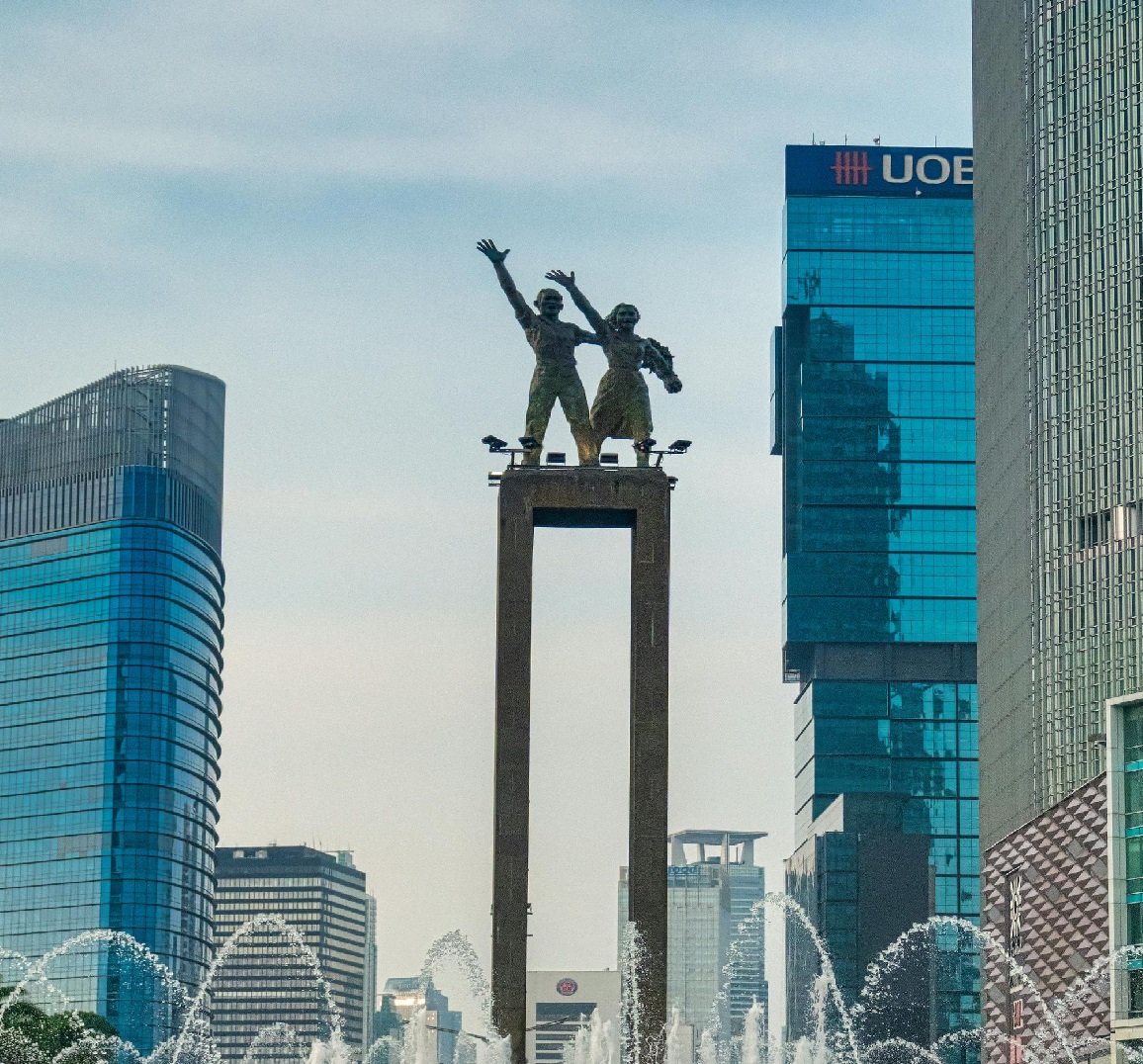
In Indonesia, like in many other countries, entrepreneurs face various regulations and responsibilities when it comes to closing their businesses. Whether it's due to economic challenges, market shifts, or other reasons, knowing how to properly close a Business in compliance with regulations is crucial. In this blog post, we will explore the business closure process in Indonesia, including legal requirements, financial responsibilities, and strategies for a smooth transition. Business Closure Process in Indonesia: 1. Compliance with Regulatory Bodies: Before closing a business in Indonesia, entrepreneurs must notify relevant authorities, such as the Ministry of Law and Human Rights, the tax office, and the Social Security Administration. Failing to comply with these requirements can result in penalties and legal repercussions. 2. Settling Financial Obligations: Business owners are responsible for settling any outstanding debts, taxes, and employee payments before closing their operations. This includes paying off creditors, suppliers, and employees in accordance with contractual agreements and labor laws. 3. Formal Dissolution: To formally close a business in Indonesia, entrepreneurs must go through a dissolution process, which typically involves filing the necessary paperwork, holding a shareholders' meeting, and obtaining approval from relevant stakeholders. Financial Responsibilities: 1. Asset Liquidation: Selling off assets, inventory, and equipment is a common strategy for recovering funds to pay off debts and fulfill financial obligations. Entrepreneurs should conduct a thorough assessment of their assets and determine the best approach for liquidation. 2. Tax Settlement: Closing a business in Indonesia entails settling all tax liabilities, including income tax, value-added tax (VAT), and other applicable taxes. It is advisable to seek guidance from a tax professional to ensure compliance with tax regulations. 3. Employee Settlements: Entrepreneurs are required to provide fair compensation to employees in the event of business closure. This includes paying salaries, benefits, and any outstanding dues as per labor laws and employment contracts. Finishing Strategies: 1. Communicate Transparently: Maintaining open communication with stakeholders, including employees, vendors, and customers, is essential during the business closure process. Clearly communicate the reasons for closure, timeline, and steps being taken to minimize disruptions. 2. Plan Ahead: Developing a detailed closure plan that addresses legal, financial, and operational aspects can help streamline the process and mitigate risks. Consider seeking advice from legal and financial professionals to ensure a well-structured closure strategy. 3. Seek Support: Entrepreneurs can benefit from seeking support from industry associations, business consultants, and government agencies that provide guidance on business closure procedures and resources for entrepreneurs in transition. In conclusion, navigating business closure and finishing strategies in Indonesia requires a thorough understanding of business regulations, financial responsibilities, and best practices for a successful transition. By proactively addressing legal requirements, settling financial obligations, and implementing effective finishing strategies, entrepreneurs can navigate the closure process with integrity and professionalism.
https://continuar.org
Leave a Comment:
SEARCH
Recent News
- Zurich, Switzerland, and Vancouver, Canada, are two bustling cities known for their thriving startup scenes. In this blog post, we will take a closer look at some of the top startups making waves in each city.
- Zurich, Switzerland and Vancouver, Canada are two vibrant cities with distinct characteristics that make them stand out in their respective regions. While Zurich is known for its financial prowess and high quality of life, Vancouver is a bustling hub of business and innovation on the west coast of Canada. Let's take a closer look at how these two cities compare in terms of their business environments.
- Zurich, Switzerland and Vancouver, Canada are both vibrant cities known for their strong economies and diverse job markets. In this article, we explore some of the best companies to work for in these two cities, highlighting their unique offerings and what makes them stand out in their respective industries.
- Located in the heart of Switzerland, Zurich is known for its stunning natural beauty, bustling city life, and thriving business environment. The city attracts businesses from all over the world, thanks to its robust infrastructure, highly skilled workforce, and favorable economic policies. For UK businesses looking to expand or set up operations in Zurich, there are a number of government business support programs available to help navigate the process.
- Zurich, Switzerland is a bustling business hub that attracts companies from all over the world, including top Irish companies. The city's strategic location, strong economy, and high standard of living make it an appealing destination for Irish businesses looking to expand their global reach.
- Zurich, Switzerland and Tokyo, Japan are both global hubs for business and innovation, home to some of the top companies in the world. Let's take a closer look at the top companies based in these two cities.
- Zurich, Switzerland and Tokyo, Japan are two prominent cities known for their innovation and vibrant startup scenes. While they are located thousands of miles apart, both cities have managed to establish themselves as hubs for entrepreneurs and tech enthusiasts looking to bring their ideas to life. In this blog post, we will explore the startup ecosystems of Zurich and Tokyo, comparing and contrasting their unique features and what makes them attractive destinations for aspiring entrepreneurs.
- Zurich, Switzerland and Tokyo, Japan are two dynamic cities with thriving business scenes. Both cities are prominent global financial centers and are known for their innovation, economic stability, and high quality of life. In this blog post, we will explore the unique business environments in Zurich and Tokyo and compare the two cities in terms of business opportunities, infrastructure, and work culture.
READ MORE
9 months ago Category :

Zurich, Switzerland, and Vancouver, Canada, are two bustling cities known for their thriving startup scenes. In this blog post, we will take a closer look at some of the top startups making waves in each city.
Read More →9 months ago Category :

Zurich, Switzerland and Vancouver, Canada are two vibrant cities with distinct characteristics that make them stand out in their respective regions. While Zurich is known for its financial prowess and high quality of life, Vancouver is a bustling hub of business and innovation on the west coast of Canada. Let's take a closer look at how these two cities compare in terms of their business environments.
Read More →9 months ago Category :

Zurich, Switzerland and Vancouver, Canada are both vibrant cities known for their strong economies and diverse job markets. In this article, we explore some of the best companies to work for in these two cities, highlighting their unique offerings and what makes them stand out in their respective industries.
Read More →9 months ago Category :
