Konsultan Business Law
- CompanyRegistration
- Investment
- Tax
- LaborLaw
- Licensing
- IntellectProperty
- Merger
- Env
- CorporateGov
- Bankrupt
- Privacy
- Contract
- Dispute
- Corruption
- ImportExport
- Property
- Employ
- Health
- Consumer
- Trade
- E-commerce
- Franchising
- Diligence
- Securities
- Startup
- CrossBorder
- Shipping
- Telecom
Navigating Perspectives and Controversies in Indonesia's Business Regulations
Category : | Sub Category : Posted on 2024-10-05 22:25:23
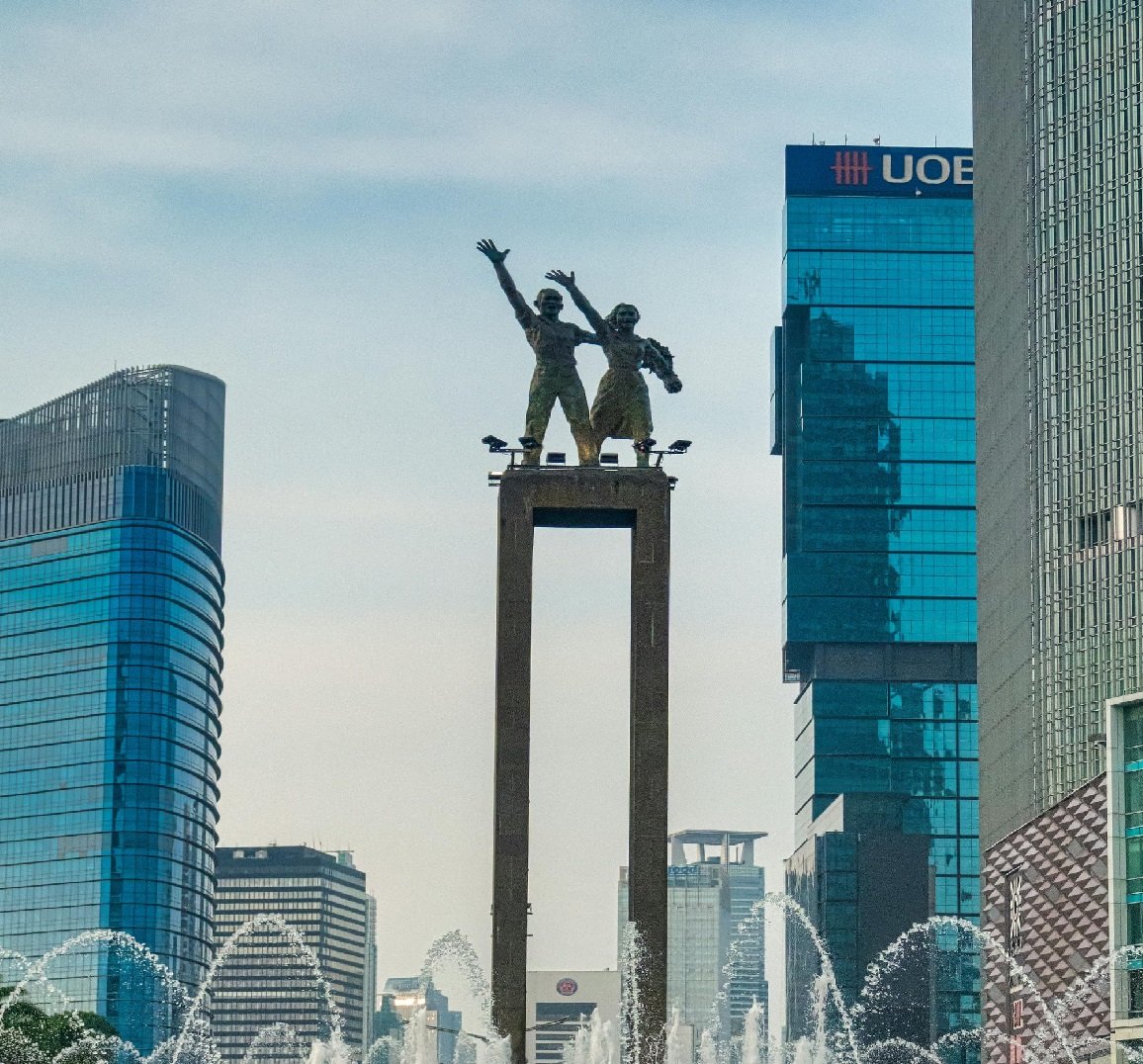
Introduction: Indonesia is a Southeast Asian country known for its rich culture, diverse population, and rapidly growing economy. With a favorable investment climate, many businesses are keen on tapping into the market opportunities that Indonesia has to offer. However, navigating the complex web of business regulations in the country can be a challenging task due to the diverse perspectives and controversies surrounding them. Diverse Perspectives on Business Regulations in Indonesia: Business regulations in Indonesia are influenced by various factors, including political, economic, social, and cultural considerations. Different stakeholders, such as government bodies, industry associations, local communities, and international organizations, often have divergent perspectives on the need for and the impact of specific regulations. Government bodies in Indonesia play a crucial role in formulating and implementing business regulations to ensure compliance with national laws and policies. The government's perspective is often focused on promoting economic growth, fostering business development, and protecting the interests of local businesses and consumers. However, some critics argue that certain regulations may stifle innovation, limit competition, or discourage foreign investment. Industry associations represent the collective interests of businesses operating in specific sectors or industries. These associations advocate for regulations that benefit their members, promote industry growth, and address market challenges. However, conflicts of interest, regulatory capture, or disagreements over regulatory priorities can lead to controversies within the business community. Local communities in Indonesia also play a significant role in shaping business regulations, especially in environmentally sensitive or socially impactful industries. Community perspectives often emphasize environmental conservation, social responsibility, and sustainable development. Conflicts between businesses and local communities can arise when regulatory decisions prioritize economic gains over environmental or social concerns. International organizations, such as the World Bank, the International Monetary Fund (IMF), and the World Trade Organization (WTO), provide technical assistance, policy advice, and best practices to support Indonesia's business regulatory framework. These organizations promote transparency, rule of law, and good governance in regulatory processes. However, criticisms of international interventions in domestic regulations can trigger debates on sovereignty, self-determination, or neocolonialism. Controversies in Indonesia's Business Regulations: Controversies surrounding business regulations in Indonesia often stem from conflicting interests, power dynamics, or ethical considerations. Some of the common controversies include: 1. Corruption: Corruption is a pervasive issue in Indonesia, affecting regulatory enforcement, compliance, and transparency. Bribery, kickbacks, and favoritism can undermine the integrity of business regulations and distort market competition. 2. Bureaucracy: Excessive red tape, cumbersome procedures, and administrative delays can hinder business operations and investment activities. Simplifying regulatory processes, enhancing digital platforms, and streamlining approvals are crucial for promoting business efficiency and competitiveness. 3. Legal Uncertainty: Inconsistent interpretation of laws, ambiguous regulations, and regulatory inconsistencies across regions can create uncertainty for businesses. Clarity, predictability, and legal harmonization are essential for fostering a conducive business environment. 4. Environmental Impact: Industries with significant environmental footprints, such as mining, forestry, and agriculture, are subject to stringent environmental regulations in Indonesia. Balancing economic development with environmental protection is a continual challenge for policymakers, businesses, and environmental advocates. Conclusion: Navigating perspectives and controversies in Indonesia's business regulations requires a multi-stakeholder approach that incorporates diverse viewpoints, promotes dialogue, and seeks common ground for inclusive and sustainable regulatory reforms. By fostering transparency, accountability, and stakeholder engagement, Indonesia can enhance its business regulatory environment, attract investments, and promote responsible business practices in alignment with national development goals.
https://continuar.org
https://vollmacht.org
Leave a Comment:
SEARCH
Recent News
- Zurich, Switzerland, and Vancouver, Canada, are two bustling cities known for their thriving startup scenes. In this blog post, we will take a closer look at some of the top startups making waves in each city.
- Zurich, Switzerland and Vancouver, Canada are two vibrant cities with distinct characteristics that make them stand out in their respective regions. While Zurich is known for its financial prowess and high quality of life, Vancouver is a bustling hub of business and innovation on the west coast of Canada. Let's take a closer look at how these two cities compare in terms of their business environments.
- Zurich, Switzerland and Vancouver, Canada are both vibrant cities known for their strong economies and diverse job markets. In this article, we explore some of the best companies to work for in these two cities, highlighting their unique offerings and what makes them stand out in their respective industries.
- Located in the heart of Switzerland, Zurich is known for its stunning natural beauty, bustling city life, and thriving business environment. The city attracts businesses from all over the world, thanks to its robust infrastructure, highly skilled workforce, and favorable economic policies. For UK businesses looking to expand or set up operations in Zurich, there are a number of government business support programs available to help navigate the process.
- Zurich, Switzerland is a bustling business hub that attracts companies from all over the world, including top Irish companies. The city's strategic location, strong economy, and high standard of living make it an appealing destination for Irish businesses looking to expand their global reach.
- Zurich, Switzerland and Tokyo, Japan are both global hubs for business and innovation, home to some of the top companies in the world. Let's take a closer look at the top companies based in these two cities.
- Zurich, Switzerland and Tokyo, Japan are two prominent cities known for their innovation and vibrant startup scenes. While they are located thousands of miles apart, both cities have managed to establish themselves as hubs for entrepreneurs and tech enthusiasts looking to bring their ideas to life. In this blog post, we will explore the startup ecosystems of Zurich and Tokyo, comparing and contrasting their unique features and what makes them attractive destinations for aspiring entrepreneurs.
- Zurich, Switzerland and Tokyo, Japan are two dynamic cities with thriving business scenes. Both cities are prominent global financial centers and are known for their innovation, economic stability, and high quality of life. In this blog post, we will explore the unique business environments in Zurich and Tokyo and compare the two cities in terms of business opportunities, infrastructure, and work culture.
READ MORE
9 months ago Category :

Zurich, Switzerland, and Vancouver, Canada, are two bustling cities known for their thriving startup scenes. In this blog post, we will take a closer look at some of the top startups making waves in each city.
Read More →9 months ago Category :

Zurich, Switzerland and Vancouver, Canada are two vibrant cities with distinct characteristics that make them stand out in their respective regions. While Zurich is known for its financial prowess and high quality of life, Vancouver is a bustling hub of business and innovation on the west coast of Canada. Let's take a closer look at how these two cities compare in terms of their business environments.
Read More →9 months ago Category :

Zurich, Switzerland and Vancouver, Canada are both vibrant cities known for their strong economies and diverse job markets. In this article, we explore some of the best companies to work for in these two cities, highlighting their unique offerings and what makes them stand out in their respective industries.
Read More →9 months ago Category :
