Konsultan Business Law
- CompanyRegistration
- Investment
- Tax
- LaborLaw
- Licensing
- IntellectProperty
- Merger
- Env
- CorporateGov
- Bankrupt
- Privacy
- Contract
- Dispute
- Corruption
- ImportExport
- Property
- Employ
- Health
- Consumer
- Trade
- E-commerce
- Franchising
- Diligence
- Securities
- Startup
- CrossBorder
- Shipping
- Telecom
**Legal Compensation and Claims in Indonesia: Understanding Business Regulations and Cultural Considerations**
Category : | Sub Category : Posted on 2024-10-05 22:25:23
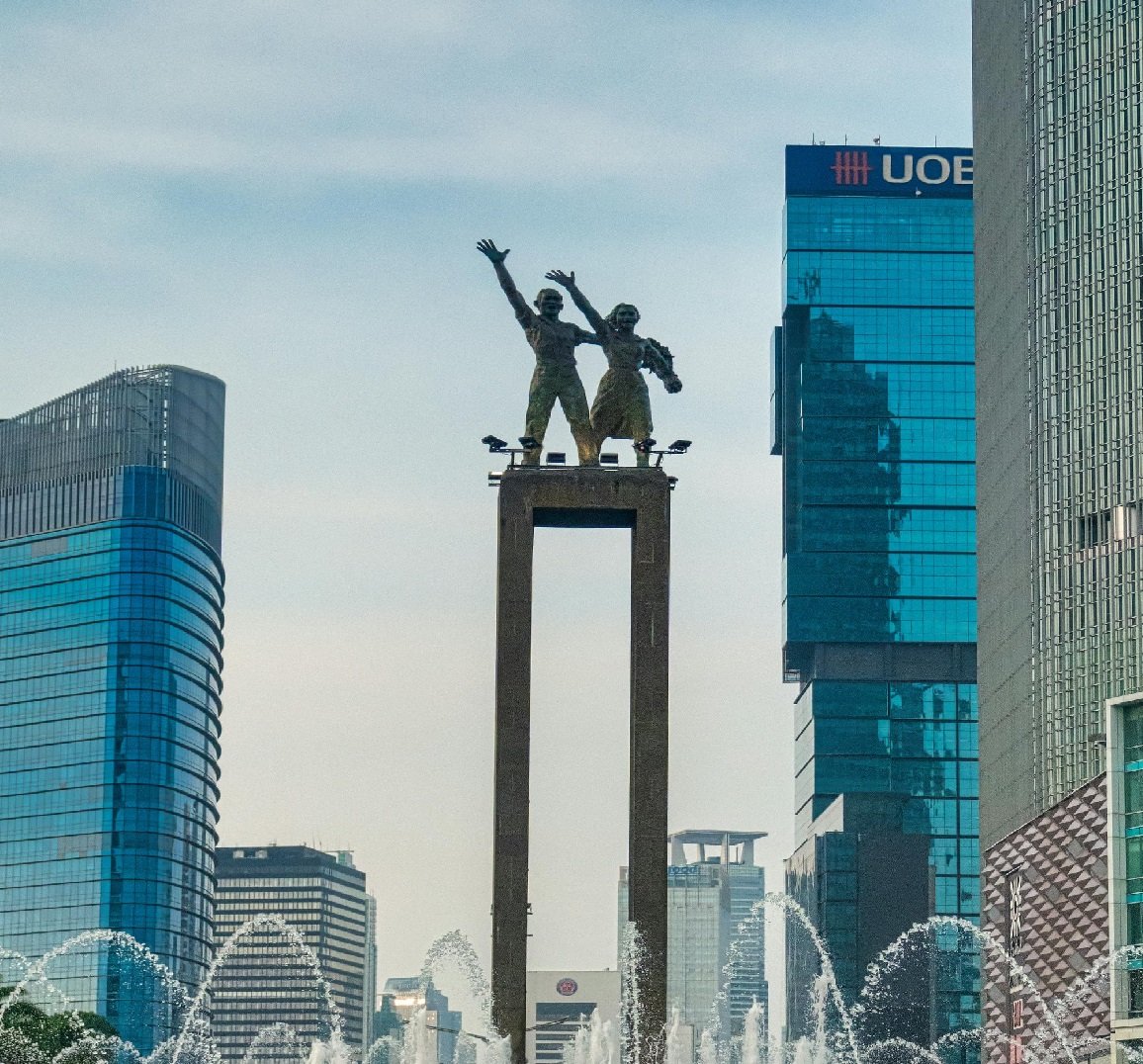
In Indonesia, navigating the legal landscape when it comes to compensation and claims in a business setting requires a deep understanding of both local regulations and cultural nuances. As a booming economy in Southeast Asia, Indonesia presents vast opportunities for business growth, but also poses unique challenges when it comes to legal matters. **Legal Framework for Compensation and Claims** Indonesia follows a civil law system, which means that its legal framework is primarily based on written statutes and regulations. When it comes to compensation and claims in a business context, there are specific laws and regulations that govern these matters. For example, the Indonesian Labor Law sets out clear provisions for employee compensation, benefits, and dispute resolution mechanisms. In addition to labor laws, businesses in Indonesia must also comply with commercial laws and regulations that address issues related to contracts, intellectual property rights, and disputes among business entities. Understanding these legal frameworks is crucial for businesses operating in Indonesia to ensure compliance and mitigate legal risks. **Claims and Dispute Resolution** When disputes arise in a business setting in Indonesia, there are different mechanisms available for resolving them. Alternative dispute resolution methods, such as mediation and arbitration, are commonly used to settle disputes outside of the traditional court system. These methods offer businesses a faster and more cost-effective way to resolve conflicts compared to lengthy court proceedings. For more complex disputes or cases that cannot be resolved through alternative means, businesses may need to resort to litigation in Indonesian courts. It is important for businesses to seek legal counsel with expertise in Indonesian law to navigate the court system effectively and protect their interests in legal proceedings. **Cultural Considerations** In addition to legal regulations, understanding the cultural context in Indonesia is essential for businesses to thrive in the local market. Indonesian culture values relationships, respect, and harmony, which can influence how business disputes are approached and resolved. Building strong relationships with local partners, clients, and employees can help businesses navigate challenges and conflicts more effectively. Being mindful of cultural nuances, communication styles, and business etiquette in Indonesia can help businesses avoid misunderstandings and conflicts that may lead to legal disputes. By embracing cultural diversity and adapting to local customs, businesses can foster better relationships and create a positive working environment for their employees. In conclusion, legal compensation and claims in Indonesia require businesses to have a comprehensive understanding of local regulations, dispute resolution mechanisms, and cultural considerations. By investing in legal compliance and cultural competency, businesses can navigate the complexities of the Indonesian business landscape and position themselves for long-term success in this vibrant market.
https://castigo.org
https://continuar.org
https://vollmacht.org
Leave a Comment:
SEARCH
Recent News
- Zurich, Switzerland, and Vancouver, Canada, are two bustling cities known for their thriving startup scenes. In this blog post, we will take a closer look at some of the top startups making waves in each city.
- Zurich, Switzerland and Vancouver, Canada are two vibrant cities with distinct characteristics that make them stand out in their respective regions. While Zurich is known for its financial prowess and high quality of life, Vancouver is a bustling hub of business and innovation on the west coast of Canada. Let's take a closer look at how these two cities compare in terms of their business environments.
- Zurich, Switzerland and Vancouver, Canada are both vibrant cities known for their strong economies and diverse job markets. In this article, we explore some of the best companies to work for in these two cities, highlighting their unique offerings and what makes them stand out in their respective industries.
- Located in the heart of Switzerland, Zurich is known for its stunning natural beauty, bustling city life, and thriving business environment. The city attracts businesses from all over the world, thanks to its robust infrastructure, highly skilled workforce, and favorable economic policies. For UK businesses looking to expand or set up operations in Zurich, there are a number of government business support programs available to help navigate the process.
- Zurich, Switzerland is a bustling business hub that attracts companies from all over the world, including top Irish companies. The city's strategic location, strong economy, and high standard of living make it an appealing destination for Irish businesses looking to expand their global reach.
- Zurich, Switzerland and Tokyo, Japan are both global hubs for business and innovation, home to some of the top companies in the world. Let's take a closer look at the top companies based in these two cities.
- Zurich, Switzerland and Tokyo, Japan are two prominent cities known for their innovation and vibrant startup scenes. While they are located thousands of miles apart, both cities have managed to establish themselves as hubs for entrepreneurs and tech enthusiasts looking to bring their ideas to life. In this blog post, we will explore the startup ecosystems of Zurich and Tokyo, comparing and contrasting their unique features and what makes them attractive destinations for aspiring entrepreneurs.
- Zurich, Switzerland and Tokyo, Japan are two dynamic cities with thriving business scenes. Both cities are prominent global financial centers and are known for their innovation, economic stability, and high quality of life. In this blog post, we will explore the unique business environments in Zurich and Tokyo and compare the two cities in terms of business opportunities, infrastructure, and work culture.
READ MORE
9 months ago Category :

Zurich, Switzerland, and Vancouver, Canada, are two bustling cities known for their thriving startup scenes. In this blog post, we will take a closer look at some of the top startups making waves in each city.
Read More →9 months ago Category :

Zurich, Switzerland and Vancouver, Canada are two vibrant cities with distinct characteristics that make them stand out in their respective regions. While Zurich is known for its financial prowess and high quality of life, Vancouver is a bustling hub of business and innovation on the west coast of Canada. Let's take a closer look at how these two cities compare in terms of their business environments.
Read More →9 months ago Category :

Zurich, Switzerland and Vancouver, Canada are both vibrant cities known for their strong economies and diverse job markets. In this article, we explore some of the best companies to work for in these two cities, highlighting their unique offerings and what makes them stand out in their respective industries.
Read More →9 months ago Category :
