Konsultan Business Law
- CompanyRegistration
- Investment
- Tax
- LaborLaw
- Licensing
- IntellectProperty
- Merger
- Env
- CorporateGov
- Bankrupt
- Privacy
- Contract
- Dispute
- Corruption
- ImportExport
- Property
- Employ
- Health
- Consumer
- Trade
- E-commerce
- Franchising
- Diligence
- Securities
- Startup
- CrossBorder
- Shipping
- Telecom
Navigating Indonesia's Business Regulations: A Challenge for US Startups
Category : | Sub Category : Posted on 2024-10-05 22:25:23
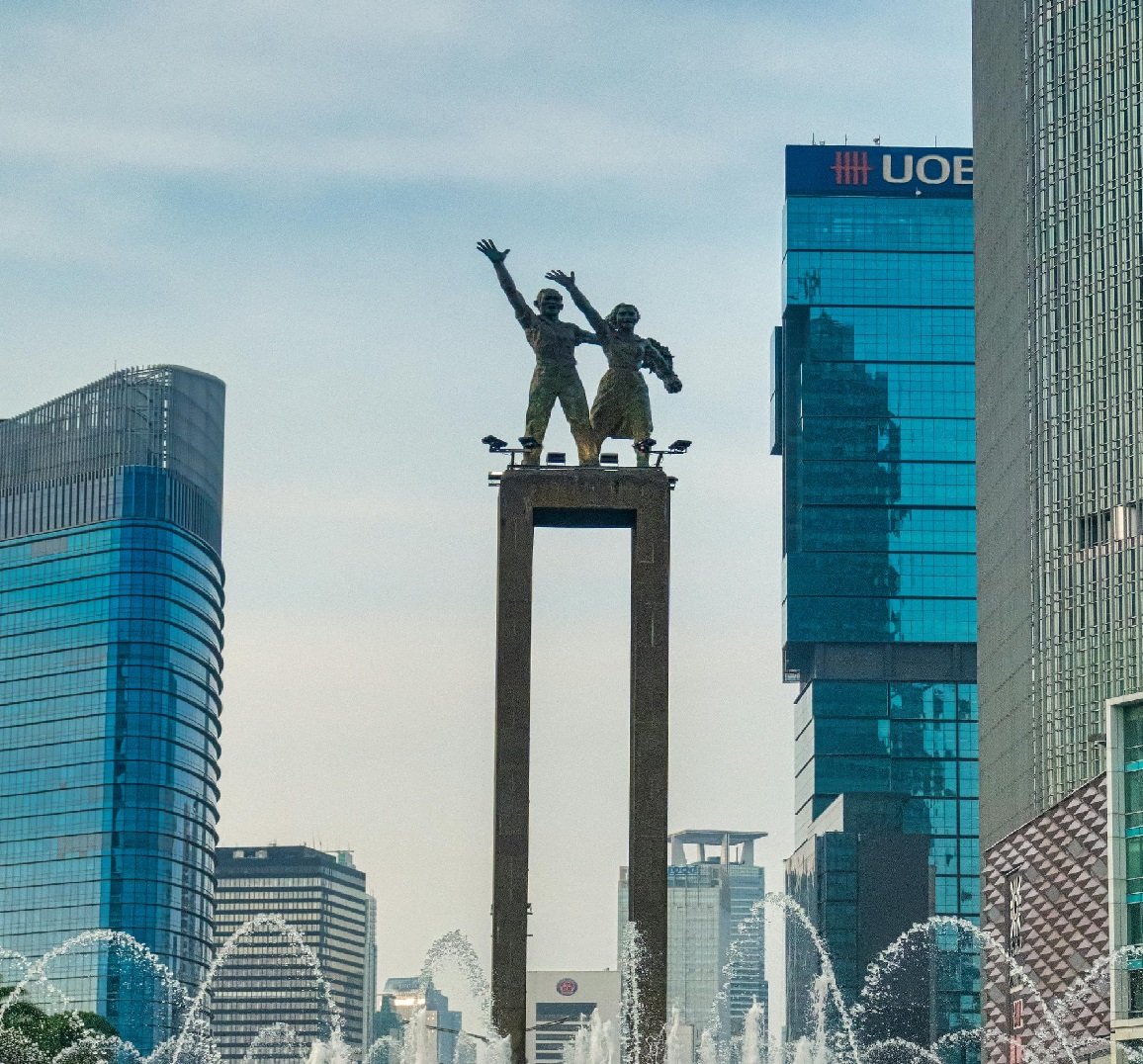
In recent years, Indonesia has emerged as a hotspot for foreign investment, with its rapidly growing economy and young, tech-savvy population attracting entrepreneurs and startups from around the world, including the United States. While the country presents numerous opportunities for business growth and expansion, navigating Indonesia's complex and frequently changing business regulations can be a daunting task for US startups looking to establish a presence in the archipelago. one of the key challenges facing US startups operating in Indonesia is the inconsistency and contradictions that exist within the country's regulatory framework. On one hand, Indonesia has made significant efforts to streamline its business regulations and improve the ease of doing business in the country. Initiatives such as the Online Single Submission (OSS) system aim to simplify the process of obtaining business licenses and permits, making it easier for startups to set up operations in Indonesia. However, despite these efforts, US startups often encounter contradictions and ambiguities in Indonesia's regulatory environment that can be difficult to navigate. For example, while the government has taken steps to promote foreign investment in certain sectors, restrictions on foreign ownership and other protectionist measures can pose challenges for US startups looking to enter the Indonesian market. Additionally, differences in regulatory interpretations at the national and local levels can create further confusion for foreign businesses operating in the country. Another area of concern for US startups in Indonesia is compliance with local labor laws and regulations. Indonesia's labor laws are known for being strict and can vary significantly from those in the US. Ensuring compliance with requirements related to minimum wages, working hours, employee benefits, and termination procedures can be a complex and time-consuming process for startups unfamiliar with Indonesian labor practices. Despite these challenges, many US startups have successfully navigated Indonesia's business regulations and established thriving operations in the country. Partnering with local experts and legal advisors who have a deep understanding of Indonesia's regulatory landscape can be key to overcoming the obstacles posed by conflicting and ever-changing regulations. In conclusion, while Indonesia offers exciting opportunities for US startups seeking to expand into new markets, the country's complex and contradictory business regulations can present significant hurdles. By being prepared, seeking local expertise, and staying informed about the latest regulatory developments, US startups can position themselves for success in Indonesia's dynamic business environment. Want to gain insights? Start with https://www.makk.org
https://continuar.org
Leave a Comment:
SEARCH
Recent News
- Zurich, Switzerland, and Vancouver, Canada, are two bustling cities known for their thriving startup scenes. In this blog post, we will take a closer look at some of the top startups making waves in each city.
- Zurich, Switzerland and Vancouver, Canada are two vibrant cities with distinct characteristics that make them stand out in their respective regions. While Zurich is known for its financial prowess and high quality of life, Vancouver is a bustling hub of business and innovation on the west coast of Canada. Let's take a closer look at how these two cities compare in terms of their business environments.
- Zurich, Switzerland and Vancouver, Canada are both vibrant cities known for their strong economies and diverse job markets. In this article, we explore some of the best companies to work for in these two cities, highlighting their unique offerings and what makes them stand out in their respective industries.
- Located in the heart of Switzerland, Zurich is known for its stunning natural beauty, bustling city life, and thriving business environment. The city attracts businesses from all over the world, thanks to its robust infrastructure, highly skilled workforce, and favorable economic policies. For UK businesses looking to expand or set up operations in Zurich, there are a number of government business support programs available to help navigate the process.
- Zurich, Switzerland is a bustling business hub that attracts companies from all over the world, including top Irish companies. The city's strategic location, strong economy, and high standard of living make it an appealing destination for Irish businesses looking to expand their global reach.
- Zurich, Switzerland and Tokyo, Japan are both global hubs for business and innovation, home to some of the top companies in the world. Let's take a closer look at the top companies based in these two cities.
- Zurich, Switzerland and Tokyo, Japan are two prominent cities known for their innovation and vibrant startup scenes. While they are located thousands of miles apart, both cities have managed to establish themselves as hubs for entrepreneurs and tech enthusiasts looking to bring their ideas to life. In this blog post, we will explore the startup ecosystems of Zurich and Tokyo, comparing and contrasting their unique features and what makes them attractive destinations for aspiring entrepreneurs.
- Zurich, Switzerland and Tokyo, Japan are two dynamic cities with thriving business scenes. Both cities are prominent global financial centers and are known for their innovation, economic stability, and high quality of life. In this blog post, we will explore the unique business environments in Zurich and Tokyo and compare the two cities in terms of business opportunities, infrastructure, and work culture.
READ MORE
9 months ago Category :

Zurich, Switzerland, and Vancouver, Canada, are two bustling cities known for their thriving startup scenes. In this blog post, we will take a closer look at some of the top startups making waves in each city.
Read More →9 months ago Category :

Zurich, Switzerland and Vancouver, Canada are two vibrant cities with distinct characteristics that make them stand out in their respective regions. While Zurich is known for its financial prowess and high quality of life, Vancouver is a bustling hub of business and innovation on the west coast of Canada. Let's take a closer look at how these two cities compare in terms of their business environments.
Read More →9 months ago Category :

Zurich, Switzerland and Vancouver, Canada are both vibrant cities known for their strong economies and diverse job markets. In this article, we explore some of the best companies to work for in these two cities, highlighting their unique offerings and what makes them stand out in their respective industries.
Read More →9 months ago Category :
