Konsultan Business Law
- CompanyRegistration
- Investment
- Tax
- LaborLaw
- Licensing
- IntellectProperty
- Merger
- Env
- CorporateGov
- Bankrupt
- Privacy
- Contract
- Dispute
- Corruption
- ImportExport
- Property
- Employ
- Health
- Consumer
- Trade
- E-commerce
- Franchising
- Diligence
- Securities
- Startup
- CrossBorder
- Shipping
- Telecom
**Navigating Indonesia's Urban Redevelopment Regulations: A Guide for Businesses**
Category : | Sub Category : Posted on 2024-10-05 22:25:23
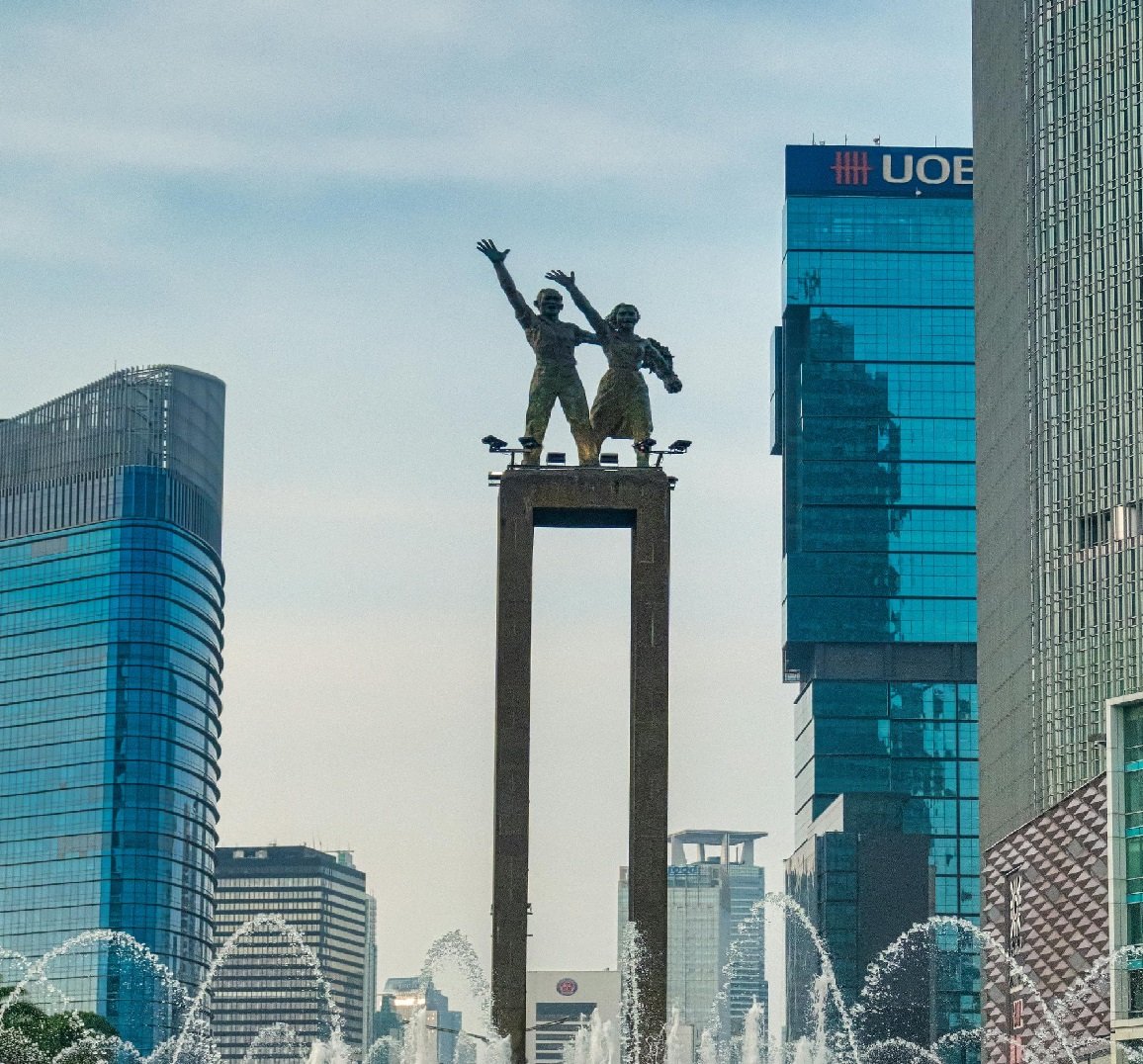
Urban redevelopment is a critical aspect of driving economic growth and development in Indonesia's bustling cities. As the nation continues to urbanize rapidly, the need for modernization and sustainable development becomes increasingly paramount. However, businesses looking to invest in urban redevelopment projects must navigate a complex web of laws and regulations to ensure compliance and successful implementation. **Understanding the Legal Framework** In Indonesia, urban redevelopment projects are guided by a combination of national laws, regional regulations, and local government ordinances. The primary legal framework governing urban redevelopment includes the Land Law, Spatial Planning Law, and Building Law, among others. These laws set out the requirements and procedures for urban redevelopment projects, covering aspects such as land acquisition, zoning regulations, building permits, and environmental impact assessments. **Key Regulatory Considerations** 1. **Land Acquisition:** One of the fundamental challenges in urban redevelopment projects is acquiring the necessary land for development. Businesses must comply with the Land Law, which sets out the procedures for land acquisition, including valuation, compensation, and dispute resolution mechanisms. 2. **Zoning Regulations:** Zoning regulations play a crucial role in urban redevelopment projects by determining land use designations, building heights, setbacks, and other development parameters. Businesses must ensure compliance with local zoning ordinances to avoid delays and potential legal issues. 3. **Building Permits:** Before commencing construction activities, businesses must obtain the requisite building permits from the local government authorities. The Building Law sets out the requirements for building permits, including architectural plans, structural calculations, and environmental impact assessments. 4. **Environmental Compliance:** Urban redevelopment projects often have significant environmental impacts, such as land degradation, pollution, and habitat loss. Businesses must conduct thorough environmental impact assessments and implement mitigation measures to comply with environmental regulations and safeguard the ecosystem. **Challenges and Opportunities** While navigating Indonesia's urban redevelopment regulations can be complex, businesses that successfully comply with the legal framework stand to benefit from various opportunities. Urban redevelopment projects can unlock new investment prospects, revitalize communities, and enhance urban infrastructure, contributing to sustainable economic growth and social welfare. **Conclusion** Urban redevelopment plays a crucial role in shaping Indonesia's dynamic urban landscapes and fostering sustainable development. By understanding and complying with the country's complex regulatory environment, businesses can harness the potential of urban redevelopment projects to drive innovation, growth, and prosperity for all stakeholders involved.
https://continuar.org
https://desencadenar.org
https://constructional.org
https://vollmacht.org
Leave a Comment:
SEARCH
Recent News
- Zurich, Switzerland, and Vancouver, Canada, are two bustling cities known for their thriving startup scenes. In this blog post, we will take a closer look at some of the top startups making waves in each city.
- Zurich, Switzerland and Vancouver, Canada are two vibrant cities with distinct characteristics that make them stand out in their respective regions. While Zurich is known for its financial prowess and high quality of life, Vancouver is a bustling hub of business and innovation on the west coast of Canada. Let's take a closer look at how these two cities compare in terms of their business environments.
- Zurich, Switzerland and Vancouver, Canada are both vibrant cities known for their strong economies and diverse job markets. In this article, we explore some of the best companies to work for in these two cities, highlighting their unique offerings and what makes them stand out in their respective industries.
- Located in the heart of Switzerland, Zurich is known for its stunning natural beauty, bustling city life, and thriving business environment. The city attracts businesses from all over the world, thanks to its robust infrastructure, highly skilled workforce, and favorable economic policies. For UK businesses looking to expand or set up operations in Zurich, there are a number of government business support programs available to help navigate the process.
- Zurich, Switzerland is a bustling business hub that attracts companies from all over the world, including top Irish companies. The city's strategic location, strong economy, and high standard of living make it an appealing destination for Irish businesses looking to expand their global reach.
- Zurich, Switzerland and Tokyo, Japan are both global hubs for business and innovation, home to some of the top companies in the world. Let's take a closer look at the top companies based in these two cities.
- Zurich, Switzerland and Tokyo, Japan are two prominent cities known for their innovation and vibrant startup scenes. While they are located thousands of miles apart, both cities have managed to establish themselves as hubs for entrepreneurs and tech enthusiasts looking to bring their ideas to life. In this blog post, we will explore the startup ecosystems of Zurich and Tokyo, comparing and contrasting their unique features and what makes them attractive destinations for aspiring entrepreneurs.
- Zurich, Switzerland and Tokyo, Japan are two dynamic cities with thriving business scenes. Both cities are prominent global financial centers and are known for their innovation, economic stability, and high quality of life. In this blog post, we will explore the unique business environments in Zurich and Tokyo and compare the two cities in terms of business opportunities, infrastructure, and work culture.
READ MORE
9 months ago Category :

Zurich, Switzerland, and Vancouver, Canada, are two bustling cities known for their thriving startup scenes. In this blog post, we will take a closer look at some of the top startups making waves in each city.
Read More →9 months ago Category :

Zurich, Switzerland and Vancouver, Canada are two vibrant cities with distinct characteristics that make them stand out in their respective regions. While Zurich is known for its financial prowess and high quality of life, Vancouver is a bustling hub of business and innovation on the west coast of Canada. Let's take a closer look at how these two cities compare in terms of their business environments.
Read More →9 months ago Category :

Zurich, Switzerland and Vancouver, Canada are both vibrant cities known for their strong economies and diverse job markets. In this article, we explore some of the best companies to work for in these two cities, highlighting their unique offerings and what makes them stand out in their respective industries.
Read More →9 months ago Category :
