Konsultan Business Law
- CompanyRegistration
- Investment
- Tax
- LaborLaw
- Licensing
- IntellectProperty
- Merger
- Env
- CorporateGov
- Bankrupt
- Privacy
- Contract
- Dispute
- Corruption
- ImportExport
- Property
- Employ
- Health
- Consumer
- Trade
- E-commerce
- Franchising
- Diligence
- Securities
- Startup
- CrossBorder
- Shipping
- Telecom
Navigating Business Regulations in Indonesia for Technical Products, Electronics Design, and Embedded Systems
Category : | Sub Category : Posted on 2024-10-05 22:25:23
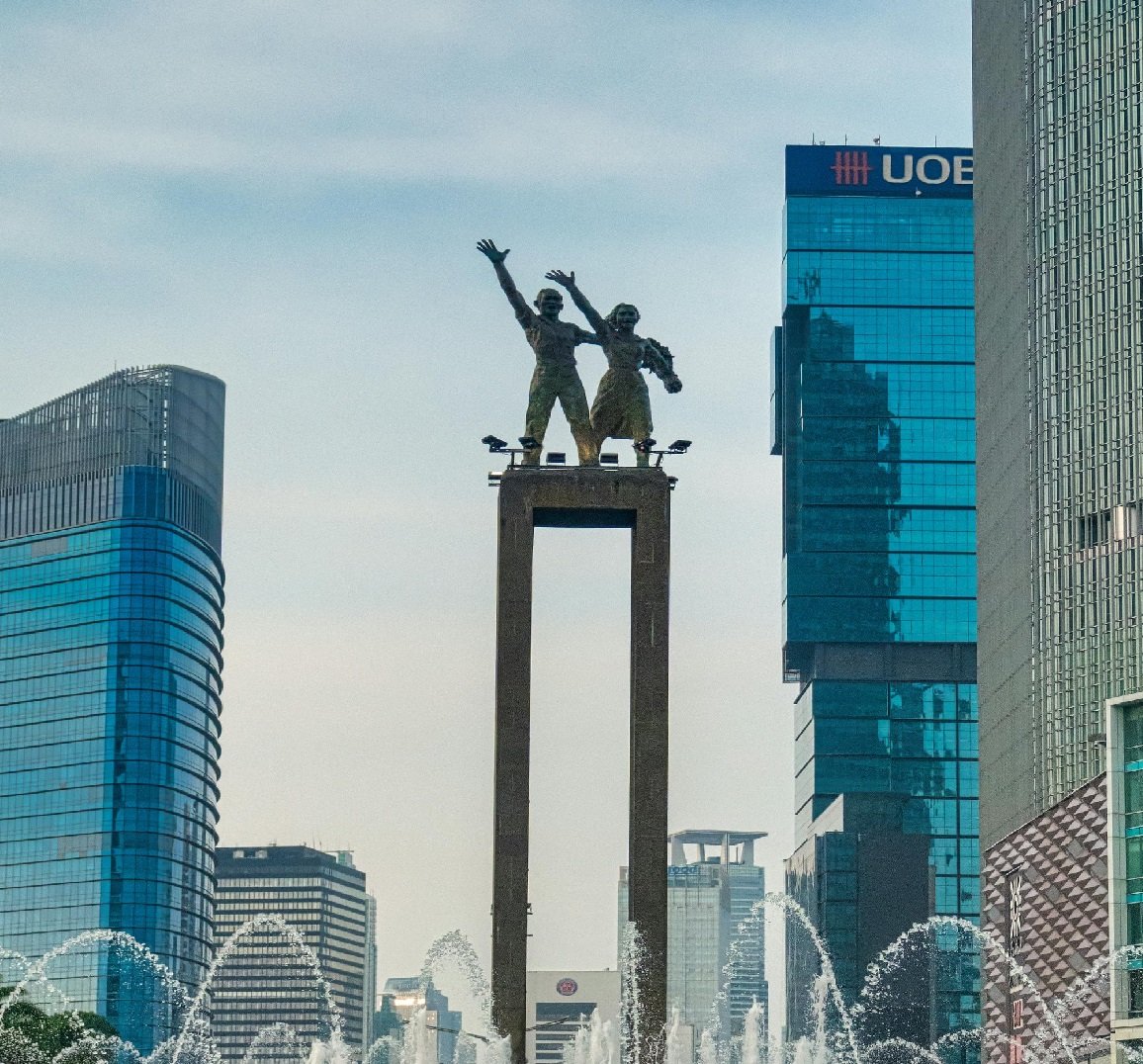
Indonesia is a vibrant market for technical products, electronics design, and embedded systems. However, businesses operating in this sector must be well-versed in the country's complex business regulations to ensure compliance and success. In this blog post, we will explore key factors to consider when navigating the business landscape in Indonesia for these industries. Understanding Indonesia's Business Regulations Before delving into the specifics of business regulations in Indonesia for technical products, electronics design, and embedded systems, it is essential to have a general understanding of the country's regulatory environment. Indonesia is a vast archipelago with a diverse population and a rapidly growing economy. As such, the country has established a comprehensive regulatory framework to govern various aspects of business operations. Import and Export Regulations For businesses dealing in technical products, electronics design, and embedded systems, understanding Indonesia's import and export regulations is crucial. Import duties, taxes, and licensing requirements can vary depending on the type of products being imported or exported. It is advisable to work with a local customs broker or consultant to navigate these regulations effectively. Licensing and Certification In Indonesia, certain technical products and electronic devices may require specific certifications or licenses to ensure compliance with safety and quality standards. For example, manufacturers of electronic devices may need to obtain a Product Certification (SNI) or a Telecommunication Equipment Certification (SDPPI) before their products can be sold in the Indonesian market. Working closely with regulatory bodies and certification agencies is essential to meet these requirements. Intellectual Property Rights Protecting intellectual property rights is critical for businesses operating in the technical products, electronics design, and embedded systems industries. Indonesia has laws in place to safeguard trademarks, patents, and copyrights. It is important for businesses to register their intellectual property and take proactive measures to prevent infringement. Local Partnerships and Representation Navigating Indonesia's business regulations can be challenging for foreign companies entering the market. Establishing partnerships with local distributors, manufacturers, or agents can provide valuable insights into the local business landscape and regulatory requirements. Local representation can help businesses navigate bureaucratic processes more efficiently and build relationships with government agencies. Compliance and Ethics Compliance with ethical business practices and regulatory compliance should be at the forefront of operations in Indonesia. Businesses should stay updated on changes in regulations, seek legal counsel when needed, and conduct regular audits to ensure adherence to all requirements. In conclusion, Indonesia offers immense opportunities for businesses in the technical products, electronics design, and embedded systems industries. By understanding and navigating the country's business regulations effectively, companies can establish a strong presence in the market and thrive in this dynamic environment. Adhering to compliance standards, building partnerships with local stakeholders, and protecting intellectual property rights are essential steps towards long-term success in Indonesia's thriving business landscape. You can find more about this subject in https://www.keralachessyoutubers.com
https://continuar.org
https://genauigkeit.com
Leave a Comment:
SEARCH
Recent News
- Zurich, Switzerland, and Vancouver, Canada, are two bustling cities known for their thriving startup scenes. In this blog post, we will take a closer look at some of the top startups making waves in each city.
- Zurich, Switzerland and Vancouver, Canada are two vibrant cities with distinct characteristics that make them stand out in their respective regions. While Zurich is known for its financial prowess and high quality of life, Vancouver is a bustling hub of business and innovation on the west coast of Canada. Let's take a closer look at how these two cities compare in terms of their business environments.
- Zurich, Switzerland and Vancouver, Canada are both vibrant cities known for their strong economies and diverse job markets. In this article, we explore some of the best companies to work for in these two cities, highlighting their unique offerings and what makes them stand out in their respective industries.
- Located in the heart of Switzerland, Zurich is known for its stunning natural beauty, bustling city life, and thriving business environment. The city attracts businesses from all over the world, thanks to its robust infrastructure, highly skilled workforce, and favorable economic policies. For UK businesses looking to expand or set up operations in Zurich, there are a number of government business support programs available to help navigate the process.
- Zurich, Switzerland is a bustling business hub that attracts companies from all over the world, including top Irish companies. The city's strategic location, strong economy, and high standard of living make it an appealing destination for Irish businesses looking to expand their global reach.
- Zurich, Switzerland and Tokyo, Japan are both global hubs for business and innovation, home to some of the top companies in the world. Let's take a closer look at the top companies based in these two cities.
- Zurich, Switzerland and Tokyo, Japan are two prominent cities known for their innovation and vibrant startup scenes. While they are located thousands of miles apart, both cities have managed to establish themselves as hubs for entrepreneurs and tech enthusiasts looking to bring their ideas to life. In this blog post, we will explore the startup ecosystems of Zurich and Tokyo, comparing and contrasting their unique features and what makes them attractive destinations for aspiring entrepreneurs.
- Zurich, Switzerland and Tokyo, Japan are two dynamic cities with thriving business scenes. Both cities are prominent global financial centers and are known for their innovation, economic stability, and high quality of life. In this blog post, we will explore the unique business environments in Zurich and Tokyo and compare the two cities in terms of business opportunities, infrastructure, and work culture.
READ MORE
9 months ago Category :

Zurich, Switzerland, and Vancouver, Canada, are two bustling cities known for their thriving startup scenes. In this blog post, we will take a closer look at some of the top startups making waves in each city.
Read More →9 months ago Category :

Zurich, Switzerland and Vancouver, Canada are two vibrant cities with distinct characteristics that make them stand out in their respective regions. While Zurich is known for its financial prowess and high quality of life, Vancouver is a bustling hub of business and innovation on the west coast of Canada. Let's take a closer look at how these two cities compare in terms of their business environments.
Read More →9 months ago Category :

Zurich, Switzerland and Vancouver, Canada are both vibrant cities known for their strong economies and diverse job markets. In this article, we explore some of the best companies to work for in these two cities, highlighting their unique offerings and what makes them stand out in their respective industries.
Read More →9 months ago Category :
