Konsultan Business Law
- CompanyRegistration
- Investment
- Tax
- LaborLaw
- Licensing
- IntellectProperty
- Merger
- Env
- CorporateGov
- Bankrupt
- Privacy
- Contract
- Dispute
- Corruption
- ImportExport
- Property
- Employ
- Health
- Consumer
- Trade
- E-commerce
- Franchising
- Diligence
- Securities
- Startup
- CrossBorder
- Shipping
- Telecom
**Navigating Indonesia's Business Regulations in the Renewable Energy Sector**
Category : | Sub Category : Posted on 2024-10-05 22:25:23
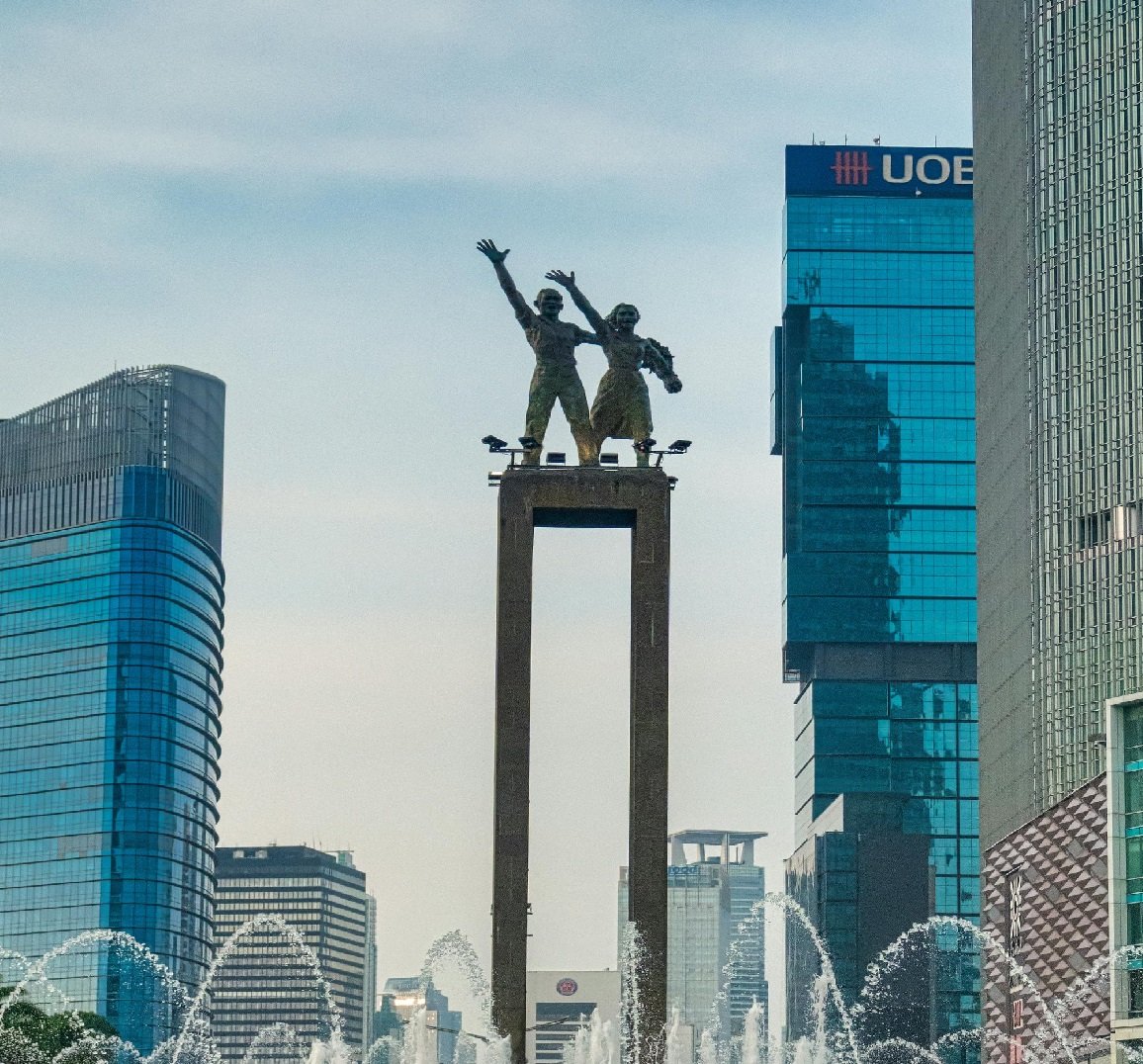
Indonesia is a country rich in natural resources, including its vast potential for renewable energy sources such as solar, wind, geothermal, and hydro power. As the world shifts towards sustainable energy solutions, Indonesia has also been making strides in developing its renewable energy sector. However, navigating the business regulations in this industry can be complex and challenging, especially for foreign investors looking to enter the market. One of the key regulations governing the renewable energy sector in Indonesia is the feed-in tariff (FIT) scheme, which sets the price at which utility companies must purchase electricity generated from renewable sources. The FIT rates are determined by the government and are intended to incentivize investment in renewable energy projects. Understanding and complying with the FIT scheme is essential for businesses operating in the sector to ensure financial viability and regulatory compliance. Another important aspect of Indonesia's business regulations in the renewable energy sector is the requirement for permits and licenses. Companies looking to develop renewable energy projects must obtain various permits from government agencies at the national and local levels. These permits may include environmental impact assessments, land acquisition permits, and operational licenses. Navigating the bureaucracy involved in securing these permits can be time-consuming and resource-intensive, but it is essential for companies to operate legally and sustainably. For foreign investors looking to enter the Indonesian renewable energy market, understanding the regulatory landscape is crucial. Indonesia imposes certain restrictions on foreign ownership in strategic industries, including renewable energy. Companies must carefully structure their investments to comply with these regulations, which may involve forming partnerships with local entities or setting up joint ventures. In recent years, Indonesia has shown a commitment to promoting renewable energy development through various policy initiatives and incentives. The government has set ambitious targets for renewable energy capacity expansion and has introduced programs to attract investment in the sector. By staying informed about the latest regulations and policies, businesses can take advantage of opportunities in Indonesia's growing renewable energy market. Overall, while navigating Indonesia's business regulations in the renewable energy sector may present challenges, the country's commitment to clean energy development offers opportunities for companies willing to invest the time and resources to comply with regulatory requirements. By staying informed, building local partnerships, and maintaining a commitment to sustainability, businesses can thrive in Indonesia's renewable energy market and contribute to the country's transition to a greener future. More in https://www.keralachessyoutubers.com For a detailed analysis, explore: https://www.visit-kenya.com Don't miss more information at https://www.tsonga.org To delve deeper into this subject, consider these articles: https://www.tonigeria.com For a different angle, consider what the following has to say. https://www.tocongo.com Want to gain insights? Start with https://www.savanne.org
https://sunpowerpanels.com
https://continuar.org
https://refueling.net
Leave a Comment:
SEARCH
Recent News
- Zurich, Switzerland, and Vancouver, Canada, are two bustling cities known for their thriving startup scenes. In this blog post, we will take a closer look at some of the top startups making waves in each city.
- Zurich, Switzerland and Vancouver, Canada are two vibrant cities with distinct characteristics that make them stand out in their respective regions. While Zurich is known for its financial prowess and high quality of life, Vancouver is a bustling hub of business and innovation on the west coast of Canada. Let's take a closer look at how these two cities compare in terms of their business environments.
- Zurich, Switzerland and Vancouver, Canada are both vibrant cities known for their strong economies and diverse job markets. In this article, we explore some of the best companies to work for in these two cities, highlighting their unique offerings and what makes them stand out in their respective industries.
- Located in the heart of Switzerland, Zurich is known for its stunning natural beauty, bustling city life, and thriving business environment. The city attracts businesses from all over the world, thanks to its robust infrastructure, highly skilled workforce, and favorable economic policies. For UK businesses looking to expand or set up operations in Zurich, there are a number of government business support programs available to help navigate the process.
- Zurich, Switzerland is a bustling business hub that attracts companies from all over the world, including top Irish companies. The city's strategic location, strong economy, and high standard of living make it an appealing destination for Irish businesses looking to expand their global reach.
- Zurich, Switzerland and Tokyo, Japan are both global hubs for business and innovation, home to some of the top companies in the world. Let's take a closer look at the top companies based in these two cities.
- Zurich, Switzerland and Tokyo, Japan are two prominent cities known for their innovation and vibrant startup scenes. While they are located thousands of miles apart, both cities have managed to establish themselves as hubs for entrepreneurs and tech enthusiasts looking to bring their ideas to life. In this blog post, we will explore the startup ecosystems of Zurich and Tokyo, comparing and contrasting their unique features and what makes them attractive destinations for aspiring entrepreneurs.
- Zurich, Switzerland and Tokyo, Japan are two dynamic cities with thriving business scenes. Both cities are prominent global financial centers and are known for their innovation, economic stability, and high quality of life. In this blog post, we will explore the unique business environments in Zurich and Tokyo and compare the two cities in terms of business opportunities, infrastructure, and work culture.
READ MORE
10 months ago Category :

Zurich, Switzerland, and Vancouver, Canada, are two bustling cities known for their thriving startup scenes. In this blog post, we will take a closer look at some of the top startups making waves in each city.
Read More →10 months ago Category :

Zurich, Switzerland and Vancouver, Canada are two vibrant cities with distinct characteristics that make them stand out in their respective regions. While Zurich is known for its financial prowess and high quality of life, Vancouver is a bustling hub of business and innovation on the west coast of Canada. Let's take a closer look at how these two cities compare in terms of their business environments.
Read More →10 months ago Category :

Zurich, Switzerland and Vancouver, Canada are both vibrant cities known for their strong economies and diverse job markets. In this article, we explore some of the best companies to work for in these two cities, highlighting their unique offerings and what makes them stand out in their respective industries.
Read More →10 months ago Category :
